
How Katie is helping reduce inequalities in cervical screening among South Asian women across Lancashire thanks to ARC NWC
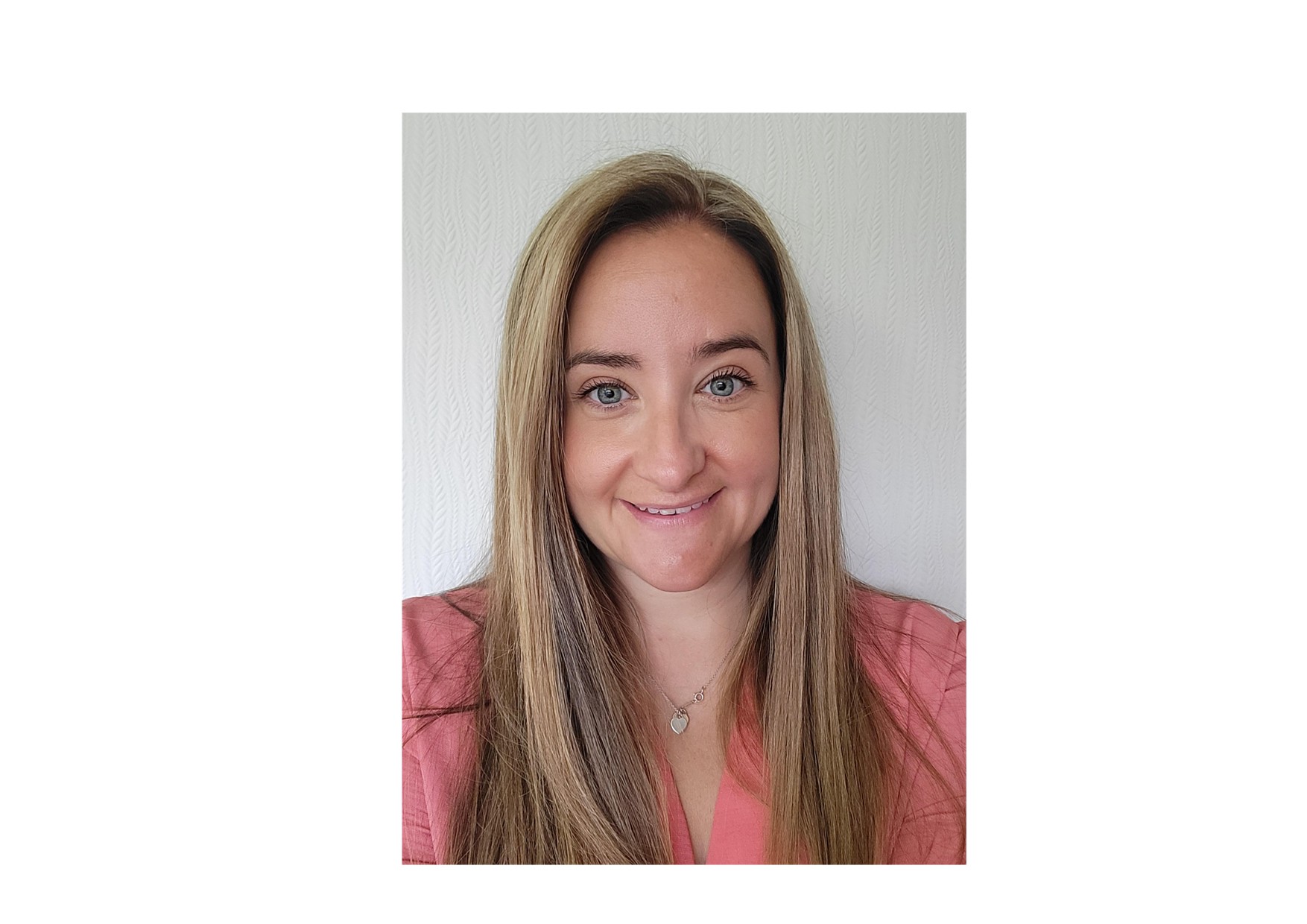
Katie Merry’s name reflects her own happy and enthusiastic disposition.
After working in the pharmacy of East Lancashire Hospitals for 12 years, she admits the hunt was on for something more challenging.
“The Covid pandemic had just hit and I saw an advert for a secondment opportunity with Lancashire and South Cumbria NHS for 12 months as a COVID-19 vaccination in pregnancy advocate. It was an opportunity to make a difference to people’s lives and spend time with people in communities.”
While enjoying the work, Katie was stunned at the barriers to healthcare people were facing and the subsequent impact on their health.
“It was eye-opening to see inequalities so clearly and stirred a real interest in me wanting to know more about inequalities in population health. I was so motivated to do something and help people.”
Katie highlights her experience of working with asylum seekers in Blackpool hotels, where she learned how difficult it could be for people to not just access services but miss out on receiving lifesaving information due to lack of available translation services.
“When the secondment was coming to an end an opportunity arose for it to be extended. Unfortunately, pharmacy did not allow the extension and I felt like a bird trapped in its cage. I wanted to get back out into the community and help the people I’d met.”
Katie does not underestimate her vital role at the pharmacy but the 37-year old from Blackburn decided to leave her post and joined ARC NWC member Healthwatch Blackburn with Darwen as a Project Officer.
“I was assigned to do research surveys and work with local authorities and stakeholders on improving delivery of services. For example, one piece of work we undertook identified no dementia groups or support for South Asian heritage residents and now Age UK are delivering these sessions in the community so we were clearly making an impact.”
It was during her employment with Healthwatch that Katie attended an ARCFEST in Preston and discovered the opportunities available for an internship with ARC NWC.
“An intern was speaking at the event and I thought to myself I want to do a research project like that about those people who I knew were being denied full access to services. I spoke to Dr Kathryn Berzins at ARCFEST and that led to a further meeting where she came to our office and told us more detail about the benefits of the internship.”
Katie saw it as a chance to enhance her skills in research and explains how Healthwatch were supportive of her the idea.
“They were an ARC NWC member and knew that they could benefit from the additional capacity in skills and knowledge provided to their staff. It was a win-win for me and the employer really.”
Katie’s research topic was inspired by her experiences and opted to explore Inequalities, awareness and barriers of cervical screening among South Asian women aged between 25-29 in Blackburn with Darwen using a community and place-based approach.“It was clear to me if you don’t help people to access services then those inequalities cost lives.”
During her internship, Katie was supported by the team at University of Lancashire (formerly University of Central Lancashire) where she attended monthly lectures over a 12-month period and learned about structuring her research, methodologies, consent, analysing data, participation guidance, the Health Inequalities Assessment Toolkit and dissemination of findings.
Her role at Healthwatch provided a prime position to recruit participants and enabled engagement with nurses and doctors in GP practices to gain their perspective.
“Some mums didn’t realise the importance of cervix health and the importance of taking up screening opportunities, there is a lack of basic education available. Only one in fifteen knew of the Human papillomavirus (HPV) vaccine and its role in preventing cancers for example.”
Katie is keen to stress the benefits that the internship provided for her job.
“It made me realise the importance of embedding research better in organisation as too many decisions are being made without the relevant evidence.”
The core findings of Katie’s internship provided evidence of cervical screening barriers for South Asian women and highlighted the need for an approach to tackling misconceptions and stigma, improving accessibility and education, and cultural sensitivity to ensure equitable healthcare for all women.
At the end of the internship Katie produced a detailed report Breaking Barriers: Improving Access and Awareness in Cervical Screening in Blackburn with Darwen with recommendations, designed to increase uptake levels of cervical careening in the community and was shared locally with Blackburn with Darwen (BwD) Local authority, BwD Place based partnership board (NHS & Adult Social Care), ICB population health team, BwD PCN delivery group and Healthwatch England.
“A particularly positive response came from the local Integrated Care Board who shared it with all their teams delivering services on the front line asking them to consider the report’s recommendations and the report also triggered a new initiative of Macmillan Cancer Community Champions engaging with residents of South Asian heritage.”
Katie is now employed at Cumbria and Lancashire Public Health Collaboration – hosted by ARC member Blackburn with Darwen Council – and says the internship skills she developed helped her secure the role.
“I’m now working across communities with public health leads and making sure all research I am involved in makes a difference and has impact.”
There is no doubt Katie’s determination and enthusiasm for research have benefitted many people and will continue to do so across the Lancashire area – we wait to hear about the next step in this epic journey and the ongoing battle to identify and reduce health inequalities!
