
ARCFEST puts virtual audience in the right places
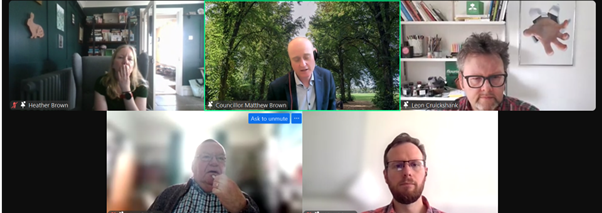
Over one-hundred-member representatives, advisors and staff from across the ARC NWC collaboration came together for the latest ARCFEST on 10th June.
Chaired by Professor Heather Brown, of Lancaster University and ARC NWC’s Equitable Placed based health and care Theme Lead, the online session focused on place based approaches and solutions to help identify and reduce health inequalities across the North West Coast.
The session opened with pioneering evaluation work led by Professor Ben Barr, ARC NWC’s Improving Population Health Theme Lead, in collaboration with Councillor Matthew Brown, Leader of Preston City Council, and teams from both the council and the University of Liverpool. Their evaluation of Preston’s community wealth building programme demonstrated how it improved mental health and reduced inequalities by promoting economic growth that disproportionately benefited the most disadvantaged.
This evidence has contributed to economic development guidance for Integrated Care Systems and WHO guidance on health in the wellbeing economy.
This session was followed by Matthew Bond, of the NIHR Blackpool Commercial Research Delivery Centre (CRDC) at Blackpool Teaching Hospitals, who offered an insight into the innovative ways a bus was being used to tour schools and communities and deliver recruitment opportunities for trials, dissemination of research findings and providing schoolchildren with an insight into the value of research.
ARC NWC Public Adviser Alan Griffiths and Dr Umesh Chauhan, a GP Partner at Pendle Medical Centre, presented their work on the LeDeR project – outlining the devastating health inequalities which people with a Learning Disability were facing in accessing the current NHS system.
Sandra Smith, Public Adviser for ARC NWC, said:
“What stood out to me was the power of place-based work to create change that genuinely reflects local needs. When communities are at the heart of research, the outcomes are not only more relevant—they’re more likely to last. It was inspiring to see so many examples of research rooted in real places, with real people shaping the direction.”
A recording from the University of Liverpool’s Rebecca Gearing on Healthy Urban Places and Groudswell and the Blackpool Health Determinants Research Collaboration HDRC) on research at grass root levels with individuals and communities, book-ended an insight into Community Solutions for Health Equity- a project of the Fylde Coast Research Collaborative, presented by Kristof Santa.
All presenters were asked to take part in a Q&A session to engage with the audience and answer questions on their work which had offered a unique insight into innovation taking place across the region to ensure research findings were being utilised and underpinned by the real life experiences of groups, individuals and communities.
A panel of experts, including several of the presenters, then answered pre-arranged questions on strategies and barriers to identifying and reducing health inequalities. Debate amongst the audience and panel focused on the speed at which findings were being implemented, the longer term vision needed by organisations collectively to reduce inequalities and the innovative ways in which engagement can be undertaken, advised by Prof Professor Leon Cruickshank
A selection of videos from the event are available on the ARC NWC YouTube Chanel: https://youtu.be/ETlPYpl5188?si=QseB4QMGmkit7tX0
The next ARCFEST will take place on 9th September.
